
Lenoir County Criminal Court Records
A criminal court record is the court file kept after a charge is filed and the case opens in the North Carolina court system. In Lenoir County, the Clerk of Superior Court maintains the official case file. That file can include the charging document, docket entries, bond conditions, hearing notices, pleas, motions, orders, trial entries, disposition, sentence, court costs, restitution, probation terms, and appeal activity when those items are public.
District Court handles misdemeanors, infractions, traffic misdemeanors, and preliminary felony stages. Superior Court handles felony trials and felony dispositions, and it can hear appeals from District Court in misdemeanor and infraction matters. Magistrates are part of the District Court structure and often appear at the front of a criminal case through warrants, initial appearances, bond conditions, and magistrate orders.
The Lenoir County Sheriff's Office is important for arrests, detention, civil process, courtroom security, and local law-enforcement records, but it is not the custodian of the criminal court case file.
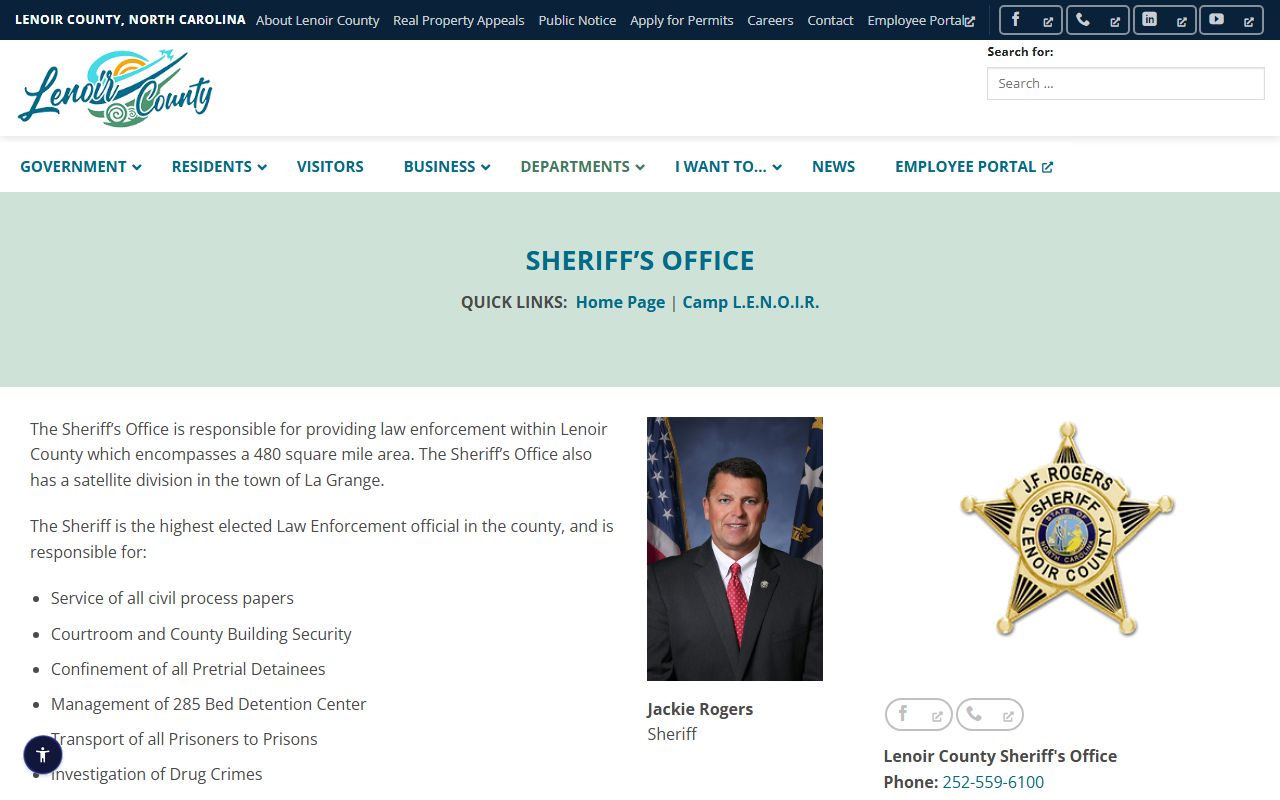
Sheriff records can help explain an arrest or custody event, while the criminal court record shows what happened after the case reached court.
Search Lenoir County Criminal Cases
The main online case-search channel is the NC eCourts Portal. Use Smart Search for case information and Search Hearings for court dates. The Portal can be searched by case number, name, business name, attorney, hearing information, and other filters. Lenoir County should be selected as the location whenever the search could return statewide results.
- Open the NC eCourts Portal and use Smart Search for the criminal case file or Search Hearings for a court-date check.
- Search by case number when available, or use last name and first name with the Portal's wildcard format if needed.
- Filter by Lenoir County, criminal case type, case status, filing date, or hearing details when those facts are known.
- Open the result and review the charges, docket events, hearings, plea, disposition, sentence, and financial entries that are public.
- Request a certified copy or older paper file from the Lenoir County Clerk of Superior Court when an official copy is needed.
For a closer look at the charging side after an arrest, use the Lenoir County arrest records and court charges page. That subject is narrower than the full criminal case file because it focuses on how charges are filed, amended, reduced, dismissed, or carried forward after arrest.
Lenoir County Criminal Case Stages
Criminal court records build over time. The first event may be a warrant, citation, magistrate order, criminal summons, indictment, or other charging document. Later entries may show initial appearance, bond conditions, arraignment, pretrial motions, plea, trial, verdict, dismissal, judgment, sentencing, probation, costs, restitution, and appeal notices. A single arrest can lead to more than one charge, and each charge may end with a different outcome.
Case flow: Charges Filed › Arraignment › Pretrial and Motions › Plea or Trial › Disposition › Sentencing
| Stage | What Happens |
|---|---|
| Charges Filed | The charging paper opens or supports the criminal case in District Court or Superior Court. |
| Arraignment | The defendant responds to the charge, and the court sets the next path for the case. |
| Pretrial / Motions | Attorneys raise legal issues, ask for rulings, seek continuances, or prepare for plea or trial. |
| Plea or Trial | The case resolves by plea, trial verdict, dismissal, or another court-approved result. |
| Disposition | The record shows the outcome for each charge, such as guilty, not guilty, dismissed, or responsible. |
| Sentencing | The court enters punishment or conditions, such as probation, active time, fines, costs, or restitution. |
What Lenoir County Criminal Records Show
A public criminal court record is field driven. Read the identifiers first, then the charge list, then the docket events, then the disposition and judgment. Do not stop at the charge name. A charge can be amended, reduced, dismissed, or resolved differently than it first appeared. The final disposition and sentence are the key fields when deciding what the court actually did.
| Field | What It Shows |
|---|---|
| Case Number | The unique criminal case identifier used by the court and clerk. |
| Defendant | The person charged, subject to public-access and redaction rules. |
| Court / Division | District Court, Superior Court, magistrate-related entry, or appeal context. |
| Charge Description | The alleged offense text and sometimes the North Carolina statute number. |
| Offense Date | The alleged incident date tied to the charge. |
| Bond | Bond amount, type, and public conditions when shown. |
| Hearings | Date, time, courtroom, hearing type, session, and judicial officer where public. |
| Plea | The defendant's formal response or negotiated plea when entered. |
| Disposition | The outcome for each charge, such as guilty, dismissed, not guilty, or deferred. |
| Sentence / Judgment | Probation, active sentence, suspended sentence, fines, costs, restitution, or special conditions. |
Lenoir County Criminal Charges
Being charged is not the same as being convicted. A Lenoir County criminal court record can show an accusation that was later dismissed, reduced, amended, or resolved by a not-guilty verdict. It can also show a guilty plea or verdict that became a conviction. The final disposition field must be read charge by charge, especially when one case contains several counts.
| Point | Charge | Conviction |
|---|---|---|
| Meaning | An accusation filed in court | A guilty finding or guilty plea accepted by the court |
| Timing | Appears near the start of the case | Appears after plea, trial, or judgment |
| Record effect | May remain visible unless dismissed, sealed, or expunged under law | May carry sentence, costs, probation, or collateral effects |
| How to verify | Read the charge list and current status | Read disposition, judgment, and sentence fields |
Lenoir County Court vs Arrest Records
The court case file and law-enforcement records answer different questions. The Clerk of Superior Court keeps the criminal court record. The Sheriff, Kinston Police, and other law-enforcement agencies keep incident reports, arrest reports, crash reports, investigative files, and booking-related records. North Carolina law treats criminal investigation records differently from ordinary public court files, so a police narrative may be withheld even when the court case is public.
The Lenoir County Sheriff's Office media policy cites North Carolina criminal investigation record limits and says locked or sealed cases and arrests are not released until closed or unsealed.
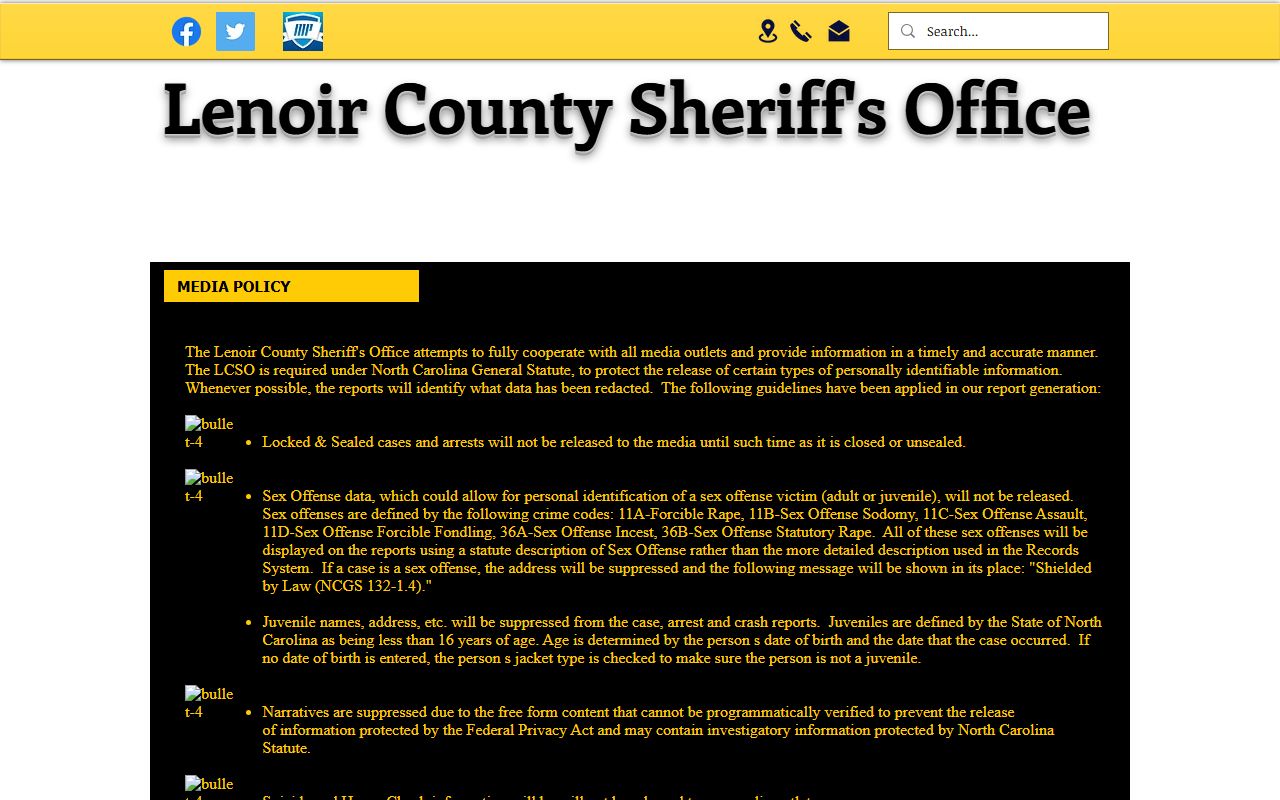
The media policy helps explain why a court case may be searchable while an investigative narrative, juvenile name, sex-offense victim detail, or sealed arrest material is not released.
The Lenoir County Sheriff's Office homepage links local services such as reports, crime map, sex offender registry, tips, accounts, and visitation.
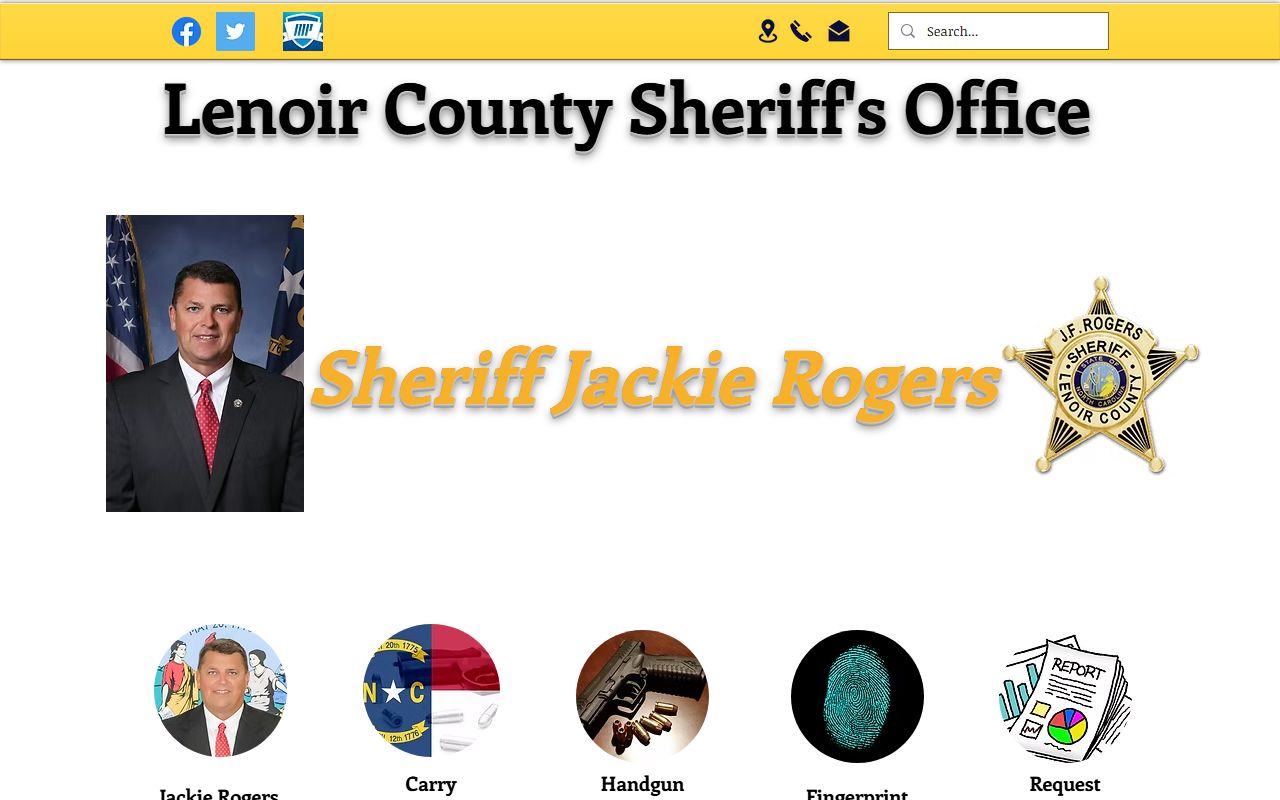
Those sheriff services support law-enforcement access, but the court record still comes from the court system and clerk.
Lenoir County Criminal Report Access
When the question is about an arrest report, incident report, or crash report rather than the court file, use the agency that created the report. The Sheriff's Office incident-report request process says reports are emailed, no fee is charged, and processing is typically one to three business days. The Kinston Police Records Division handles city police report access and provides an online report request form for incident reports, arrest reports, and unofficial crash reports.
The Kinston Police Records Division is a local source for police report access inside Kinston.
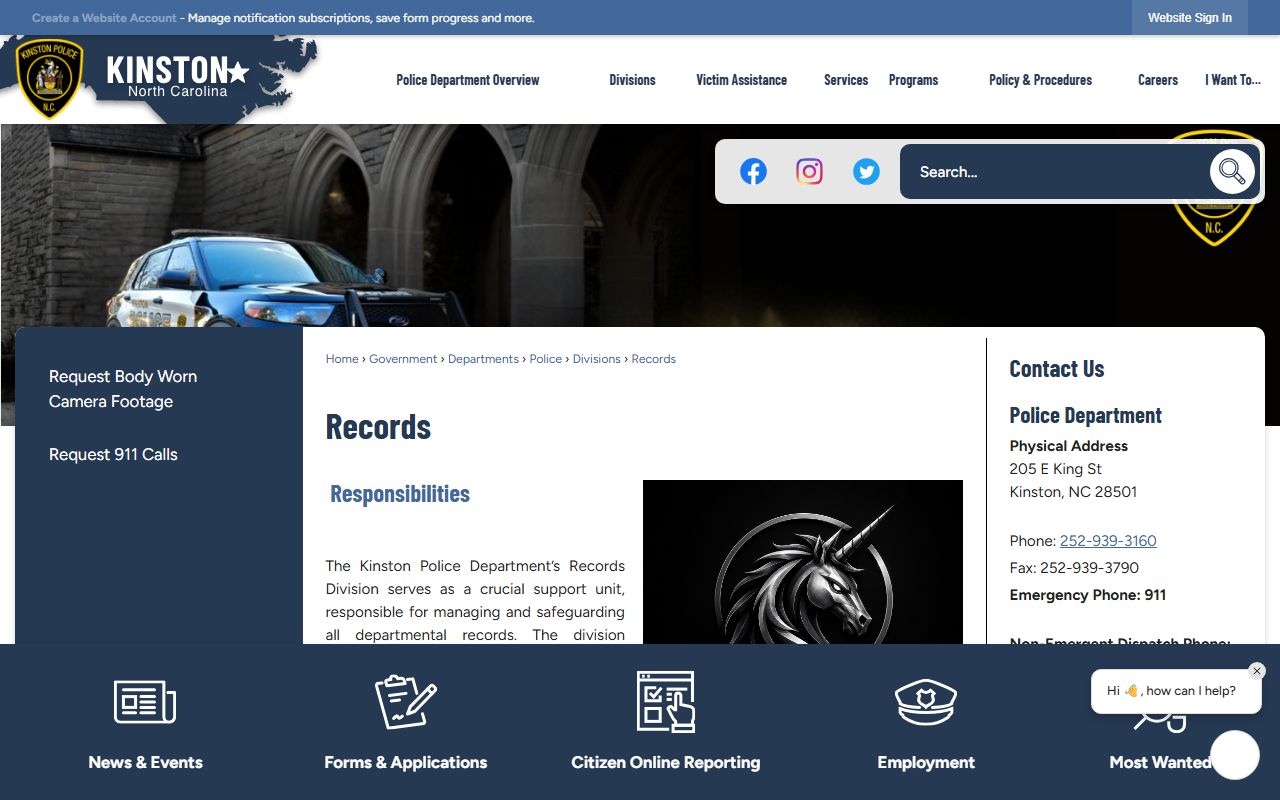
Kinston Police records can document the city law-enforcement side of an event, while the court record tracks charges, hearings, plea, disposition, and sentence.
The Kinston Police report request form is another assigned source for local criminal-record context.
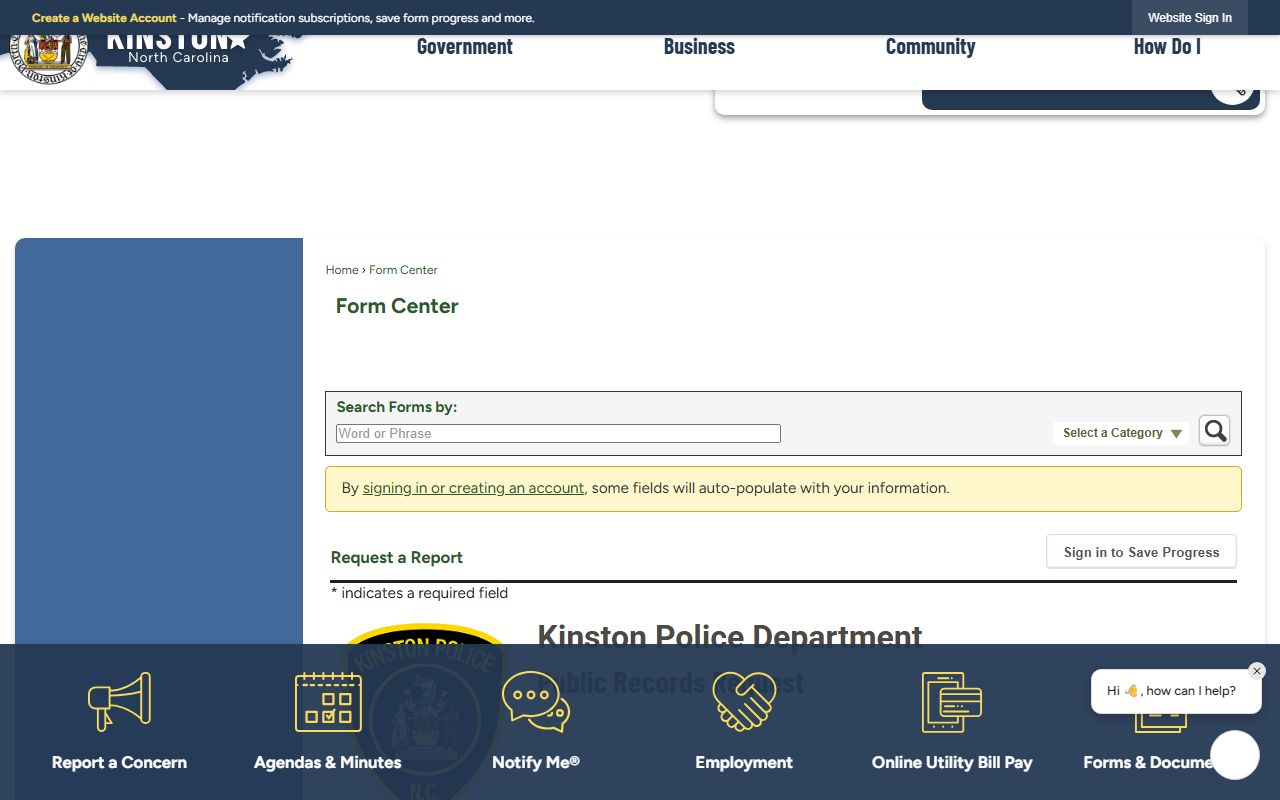
A report request should not be used as a substitute for the court docket or certified court disposition when a formal court outcome is needed.
Lenoir County Sealed Criminal Records
Sealed and expunged records are not the same. A sealed record is closed from ordinary public access by law or court order. An expunged record is removed from ordinary public access after a qualifying petition, review, and order. North Carolina expunction rules vary by charge type, outcome, timing, and prior record. Dismissed charges, not-guilty outcomes, and convictions do not follow one single rule.
| Point | Sealed | Expunged |
|---|---|---|
| Visibility | Closed or limited by court order or law | Removed from ordinary public access under the expunction order |
| Process | Usually tied to statute, court order, or case type | Requires eligibility and a petition or statutory process |
| Public search result | May show limited information or no documents | May show no public result after processing |
| Where to ask | Clerk of Superior Court | Clerk of Superior Court and official expunction forms |
Lenoir County Criminal Records Access
Public criminal court records in Lenoir County are available through the NC eCourts Portal, public terminals in clerk offices, and the Clerk of Superior Court for paper files and certified copies. NC Gen. Stat. 7A-109 covers clerk record keeping for files, dockets, indexes, and judgments. Chapter 132 states the broad public-record rule, while NC Gen. Stat. 132-1.4 limits criminal investigation records. NC Gen. Stat. 7B-3000 restricts juvenile records.
The Sheriff's phone directory is useful when the question belongs to law enforcement, detention, records, civil process, or dispatch rather than the court clerk.
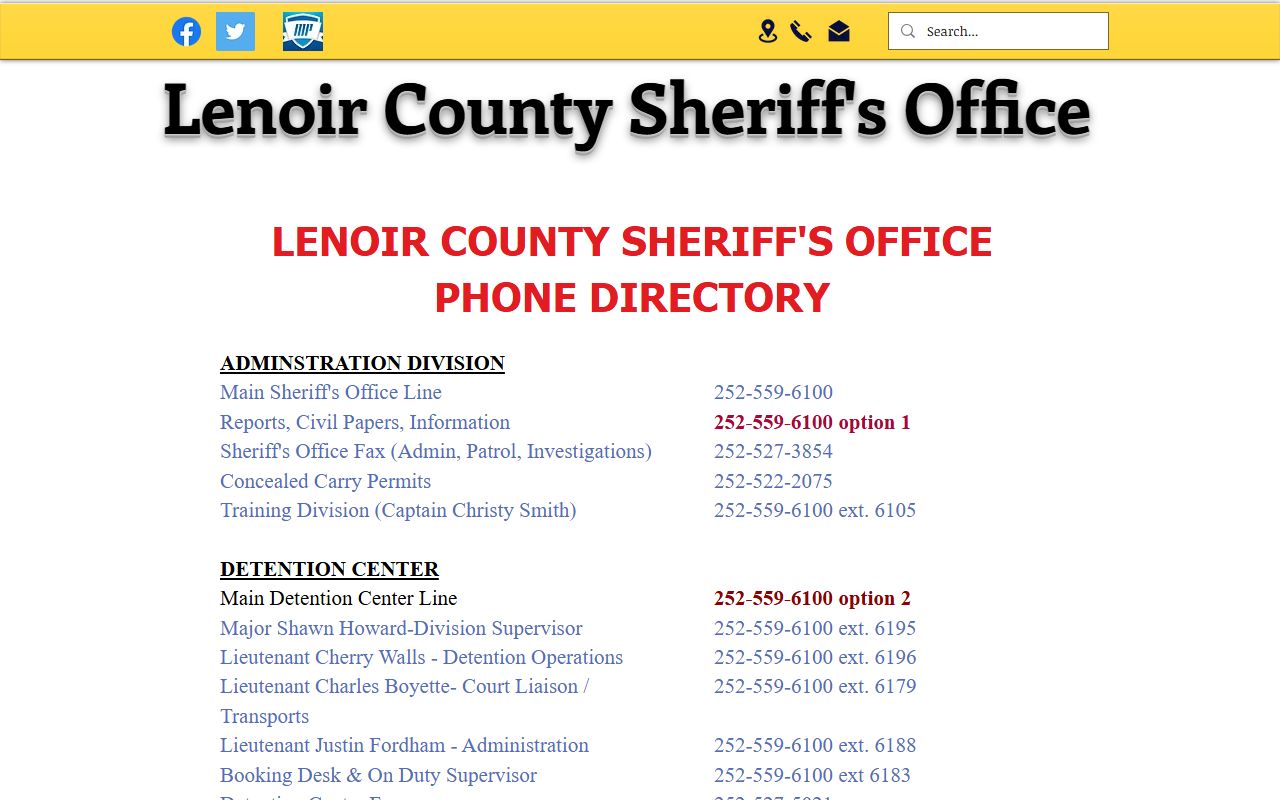
Use the phone directory for sheriff-side questions, then use the Clerk of Superior Court for the court file, disposition, judgment, or certified copy.
Note: A public criminal case result is not a certified background check and may omit sealed, juvenile, or expunged material.
Lenoir County Criminal Record Help
The Clerk of Superior Court is the access point for certified criminal court copies, old paper files, public-terminal searches, and records not visible online. The District Attorney prosecutes criminal charges but is not the custodian of the court case file. The DA for Prosecutorial District 9 is Matthew Delbridge, and the official district covers Greene, Lenoir, and Wayne counties. For appointed-counsel questions, NC Indigent Defense Services lists Lenoir County in Defender District 8 and points defendants back through the clerk and court process.
Lenoir County Clerk of Superior Court
130 S Queen St
Kinston, NC 28501
Mail: PO Box 68
Kinston, NC 28501
252-520-5300
Monday-Friday, 8:00 a.m.-5:00 p.m.
District Attorney, Prosecutorial District 9
Local directory phone: 252-520-5400
District office phone: 919-722-6200
Mail: PO Box 175
Goldsboro, NC 27533